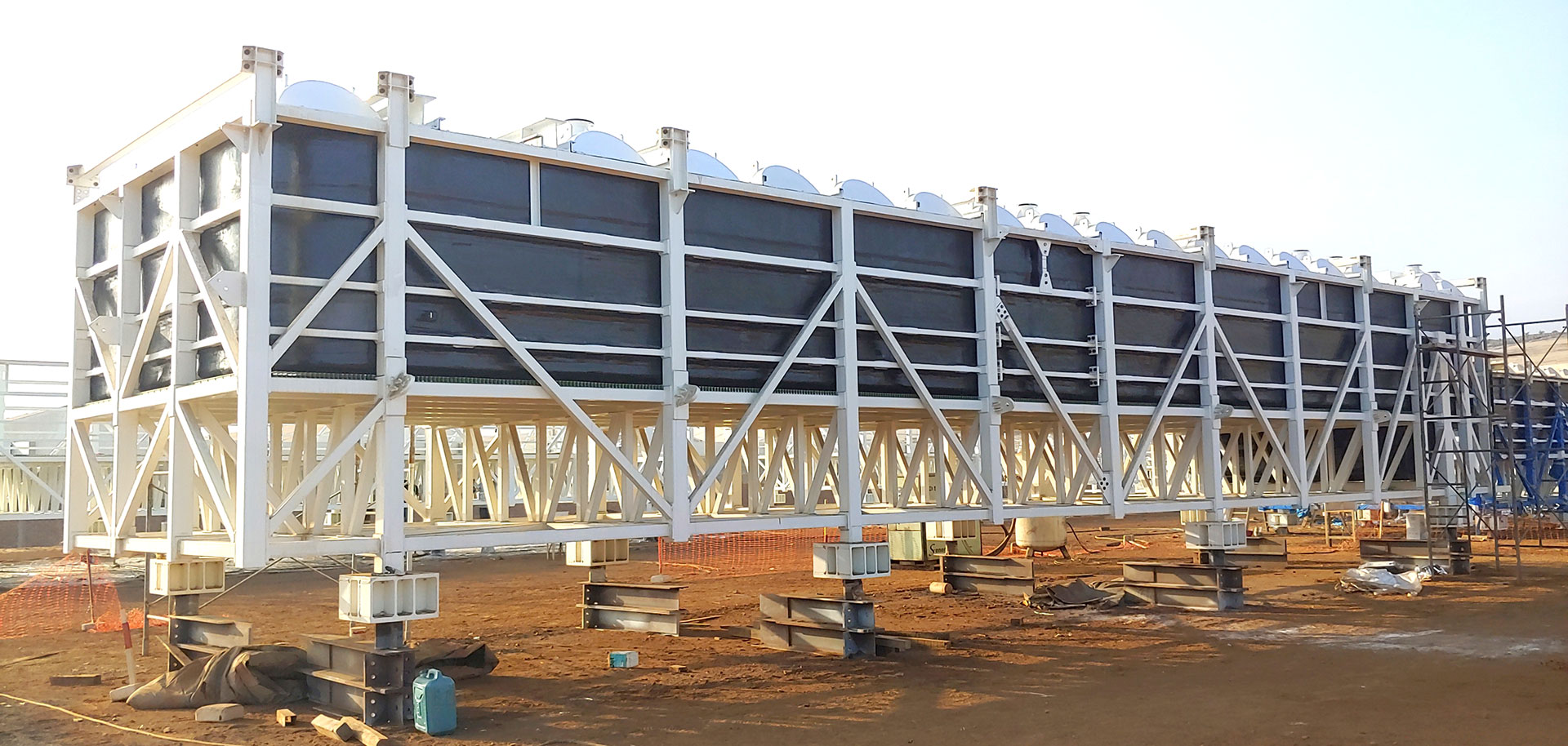
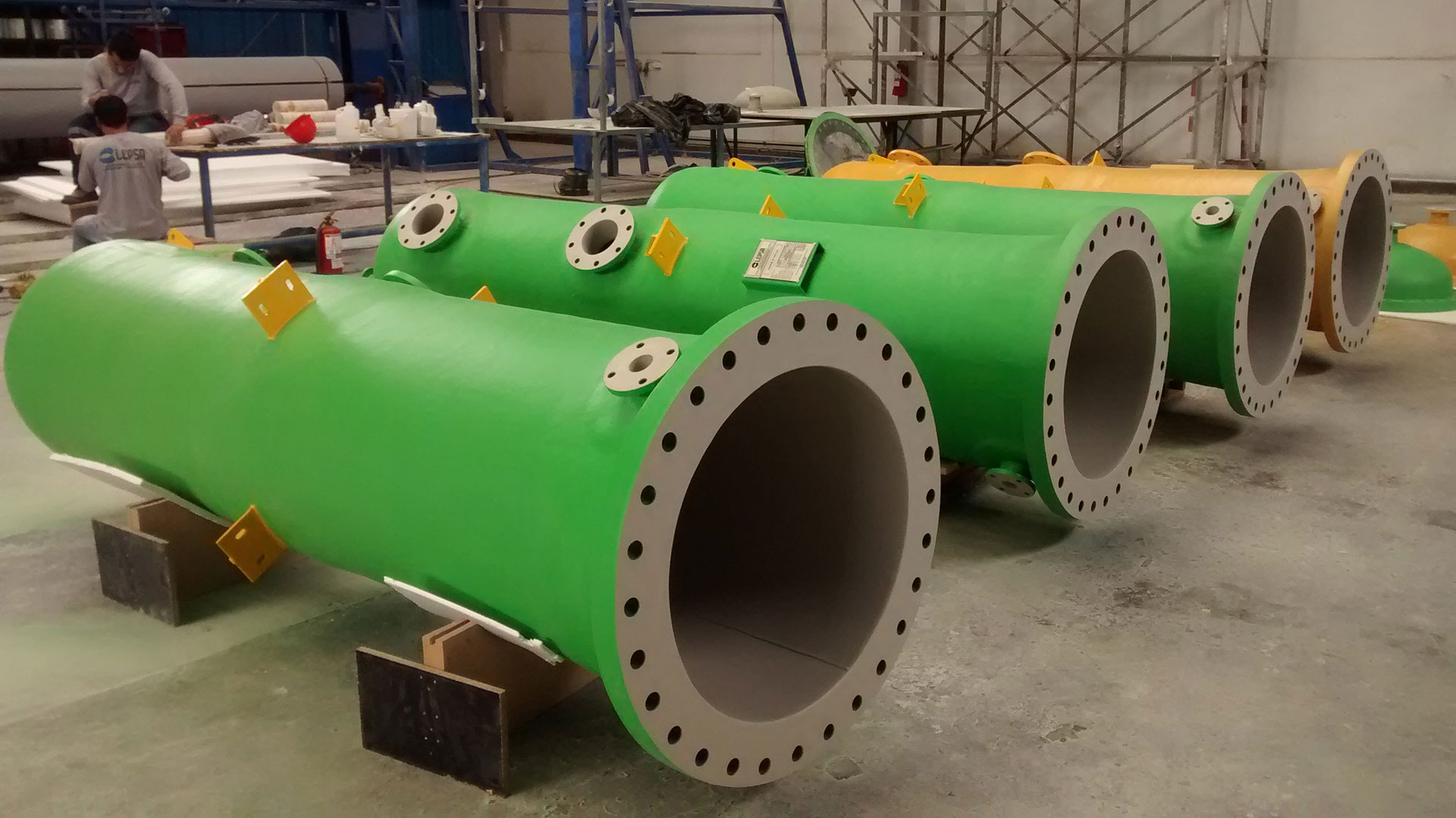
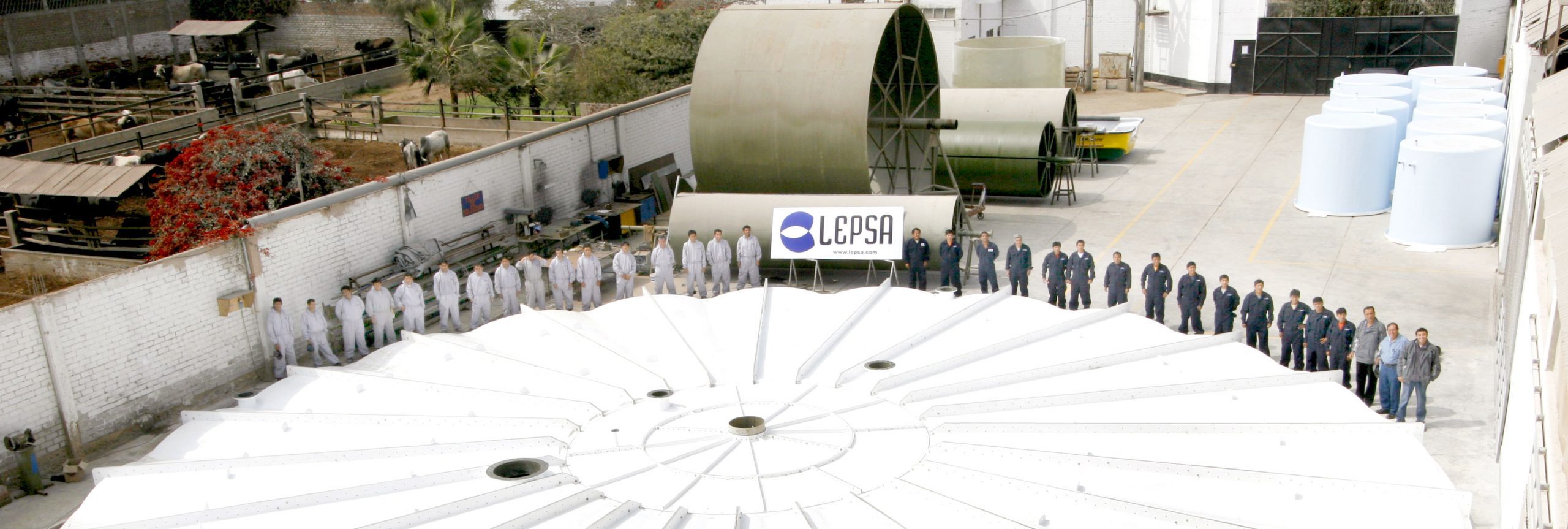
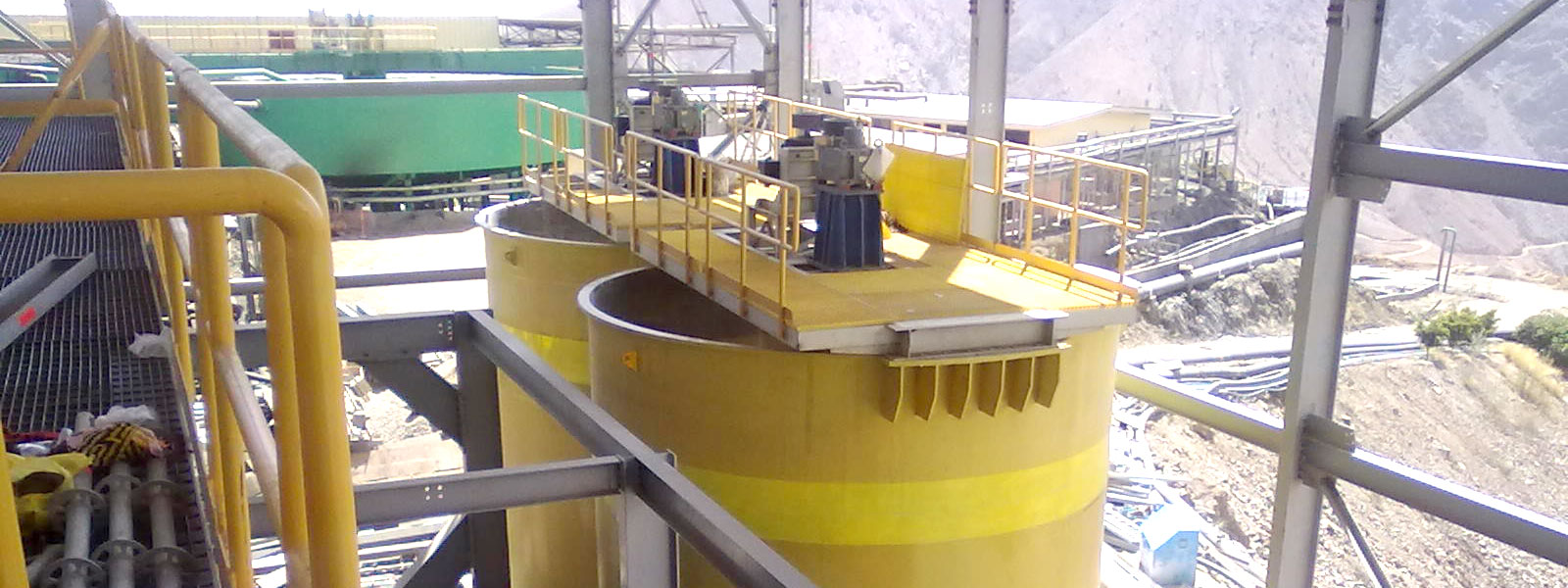
Fiberglass Reinforced Polyester (FRP) is a composite material made of thermosetting polymers (synthetic resins derived from petroleum) and glass fibers, where the polymer serves as the matrix (shape) and the glass fiber as the reinforcement (structure). These elements have different properties; however, when integrated they form a highly resistant material, i.e. the polymer provides the chemical resistance and the glass fiber the structural reinforcement. The resins used are of the Polyester, Vinylester, Novolac or Epoxy type. On the other hand, the glass fibers mostly used are of the E type, i.e. anti-acid and dielectric.
What is fiberglass?
Fiberglass used for the manufacture of FRP products is a material made from natural minerals and chemicals. The main ingredients are silica sand, limestone and soda ash, or sodium carbonate (NaC03). Ingredients such as calcined alumina, borax, feldspar, nepheline syenite, magnesite and kaolin clay, among others, can also be used. Silica sand is used as a glass former, while soda ash and limestone help mainly to reduce the melting temperature. Other ingredients are also used to improve certain properties, such as borax for chemical resistance. Glass fiber is presented in filaments or fabrics that make it an ideal material for polymer reinforcement, due to its low weight, mechanical, chemical and dielectric resistance.
Main advantages of FRP (Fiberglass Reinforced Polyester)
Long service life
Zero maintenance
High design factor
Low specific weight (1,600 kg/m3)
Ease of transport and installation
In-situ repair and fabrication facility
Non-toxic material (FDA-approved raw material)
Resistant to highly corrosive chemicals
Higher effort/weight ratio
Withstands high working temperatures
Impact resistant
Abrasion resistant
Weather-resistant (UV stabilizers)
Compatible with some thermoplastics (inner liner)
Completely smooth internal finish
Low roughness and minimal loss due to internal friction
Low thermal conductivity
Easily absorbs stresses caused by thermal expansion
Insensitive to freezing
Low electrical conductivity
Supports deformations (flexible)
FRP applications
The following are the main applications of Fiberglass Reinforced Polyester (FRP):
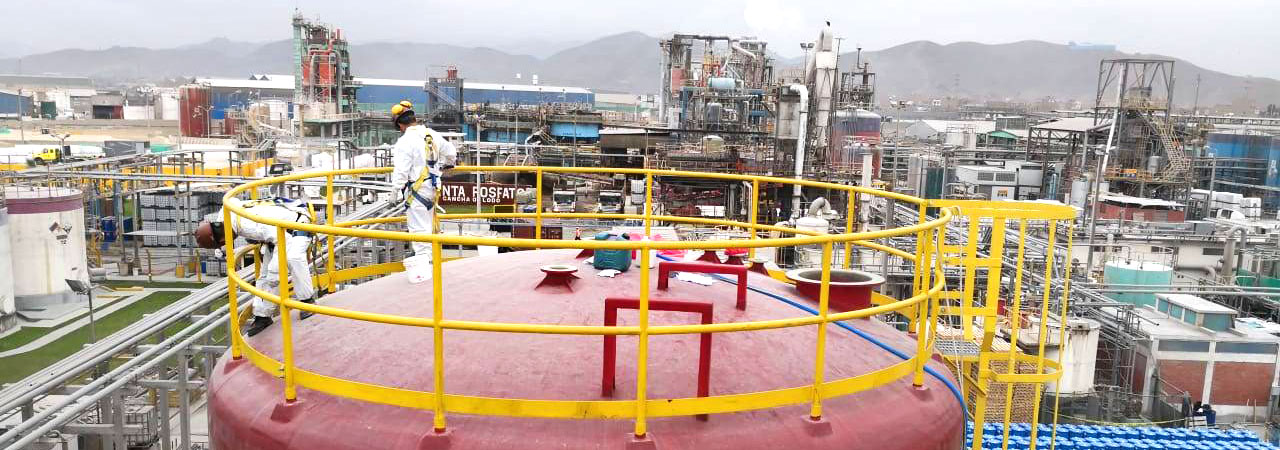
Tanks for storage of water or highly corrosive fluids such as sulfuric acid.